

Is SEO Writing Still in Demand? (2026-2027 Outlook)
A realistic look at where SEO writing is headed, especially in the wake of AI.
-
SEO writing is in demand in 2026. Projections show that SEO (and all its forms) will continue to be a focus for digital marketing.
The SEO writer job title will shift in 2026 to encompass more than just SEO. Clients and companies will be looking for SEO writers who also possess skills in AI Search optimization and those who can leverage AI tools.
For the 2026 SEO writer, the ability to leverage AI tools will be less about “speeding up” the writing process and more about creating more sophisticated, layered content.
If you’ve followed anything about SEO (search engine optimization) in the last couple of years, the drama is real. Another Google update... AI Overviews… Zero-click search…
Or, if you haven’t been following SEO changes – but you’re thinking about becoming an SEO writer – just know that things have drastically changed. I’ve been in the SEO writing space since 2017.
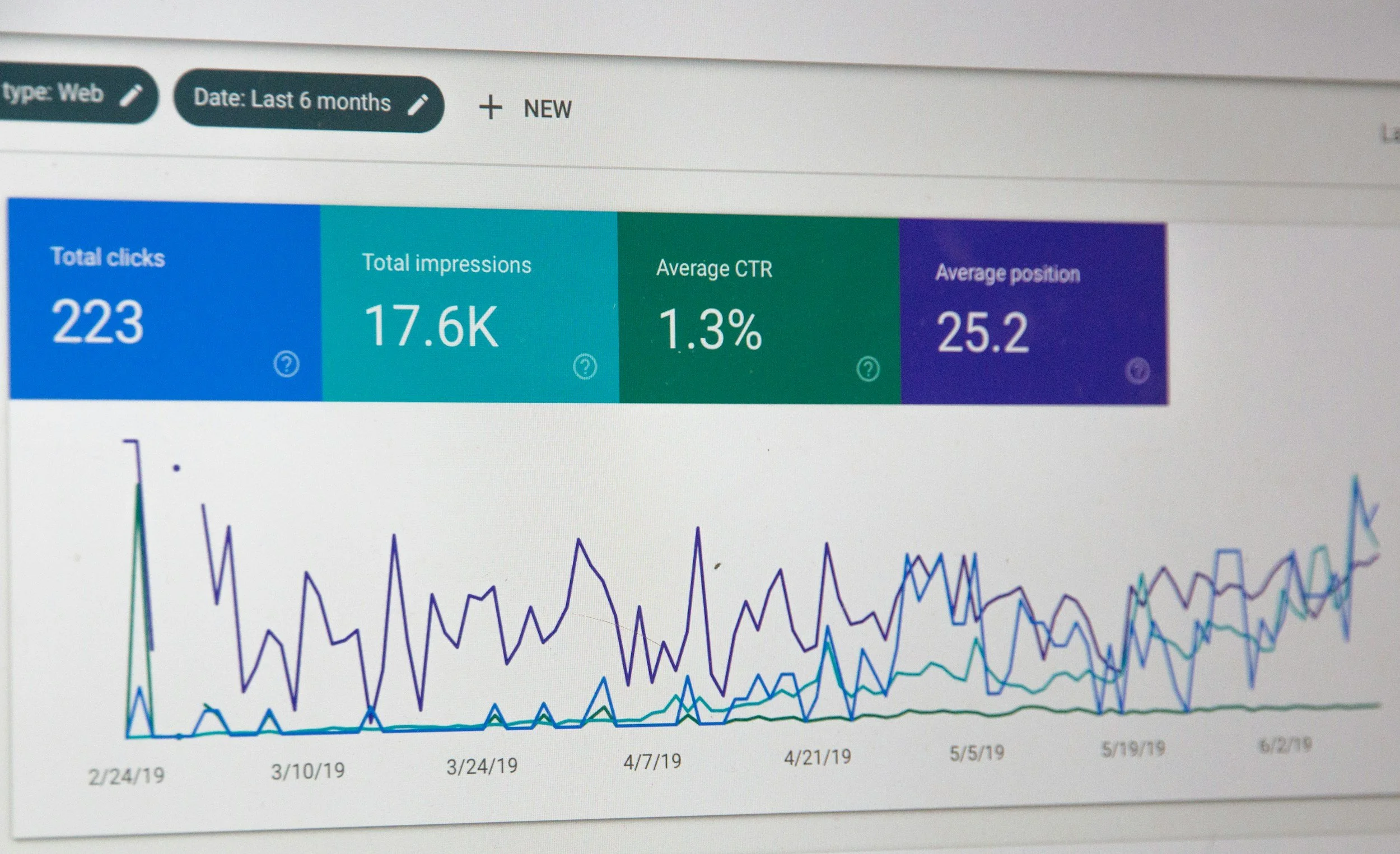
Doomsday headlines from other SEO experts flood my inbox, and many website owners are screenshotting their 50%+ website traffic dips. I’ve seen it on my own sites too.
And yet, SEO writing projects (and iterations of them) make up a majority of my current workload. Later in this post, I’ll share more about the actual percentage of clients who are still asking for SEO writing work (in one form or another) as of mid-2026 as we look ahead to 2027.
A majority of this post will be about the 2026-2027 outlook for SEO writers. The good, the bad and the ugly.
Is SEO Writing in Demand in 2026-2027?
SEO writing is in demand in 2026. Projections show that SEO (and all its forms) will continue to be a focus for digital marketing.
The SEO writer’s primary focus will be to fully address the correct user search intent. The secondary focus will be to create a robust content ecosystem for their clients. This content ecosystem will contribute to higher brand visibility in AI search.
The SEO writer job title will shift in 2026 to encompass more than just SEO.
Clients and companies will be looking for SEO writers who also possess skills in AI Search optimization (to help them get cited in AI Search) and those who can leverage AI tools to amplify their work.
For the 2026 SEO writer, the ability to leverage AI tools will be less about “speeding up” the writing process and more about creating highly sophisticated, layered content.
Pre-2024: What SEO Writing Entailed
If you haven’t been following closely or actively working as an SEO writer in the field, it’s important to understand what SEO writing was prior to 2026.
When I entered in 2017 as an SEO writer, keyword stuffing, listicles, product review lists and invisible keywords were extremely in style – and rewarded – by search engines.
That meant that the highest ranking content was saturated with clunky keywords. It wasn’t written for humans, but rather, for the rudimentary search engine crawlers.
What Did Work Look Like for an SEO Writer in 2017?
Back then, my SEO writing clients would send me creative briefs containing long lists of keywords that had to be placed within the text.
A majority of the SEO writing work in 2017 looked like this:
Title: The Best Under-Desk Ellipticals of 2017
Main Keyword Usage: 60x in a 3,000-word article
Secondary Keywords: "elliptical under desk,” “desk elliptical, “desk elliptical for me” (clunky keywords that had to be flawlessly incorporated)
Best Overall Product Pick: Usually the most expensive one



“Use the main keyword 15x in this post,” they used to say, “Then use all the secondary keywords 5x each. Also, write 300 words about each of these products that you’ve never used, and compare and contrast them.”
Talk about a mouthful of work junk! And my clients would scour the writing to make sure every single one of the 30 keywords in the brief was incorporated into the article, even the clunky ones.
As an SEO writer, I’m not very proud of my work in the content mills…
What Did Work Look Like for an SEO Writer in 2018-2023?
In 2018-2023, there were significant changes. In fact, when I think back to my 2018 work versus my 2023 work, the writing and underlying content goals underwent major transformations.
Some of these changes still apply to today’s SEO writing outlook and others have already ceased to matter.
A majority of the SEO writing work in 2018-2023 looked like this:
Meal Plans, e-Books and Downloadables: I wrote heavily within the health and wellness space at the time. Everything was a downloadable “tool” that most readers probably looked at once, and then never reached for again.
“How to” Guides for Everything: They were so usable for readers, but I always wondered if the reader ever came back to the blog post when they were actually doing the thing.
Informational Blog Post About Everything: Despite the internet being around for decades at the time, I firmly believe this wave of informational content really fortified the base knowledge of the internet.
Affiliate Links and Email Lists Reigned: And to some extent today, they still do. However, that conversion was extremely important for the content, even when the reader had no previous exposure to the brand. A big “ask” that didn’t always work.
Write for Humans, Not Search Engines: Google’s first “Helpful Content Update (HCU)” rolled out in August 2022. This was a major shift that rewarded content written for the human reader, not content that was written to get picked up by search engines (Google). While there have been iterations of HCU, this theme still remains important in 2026.


2024: The Shift into SEO Copywriting
Some say that 2024 experienced the most significant SEO changes since the mid-2000s (VML). I believe it!
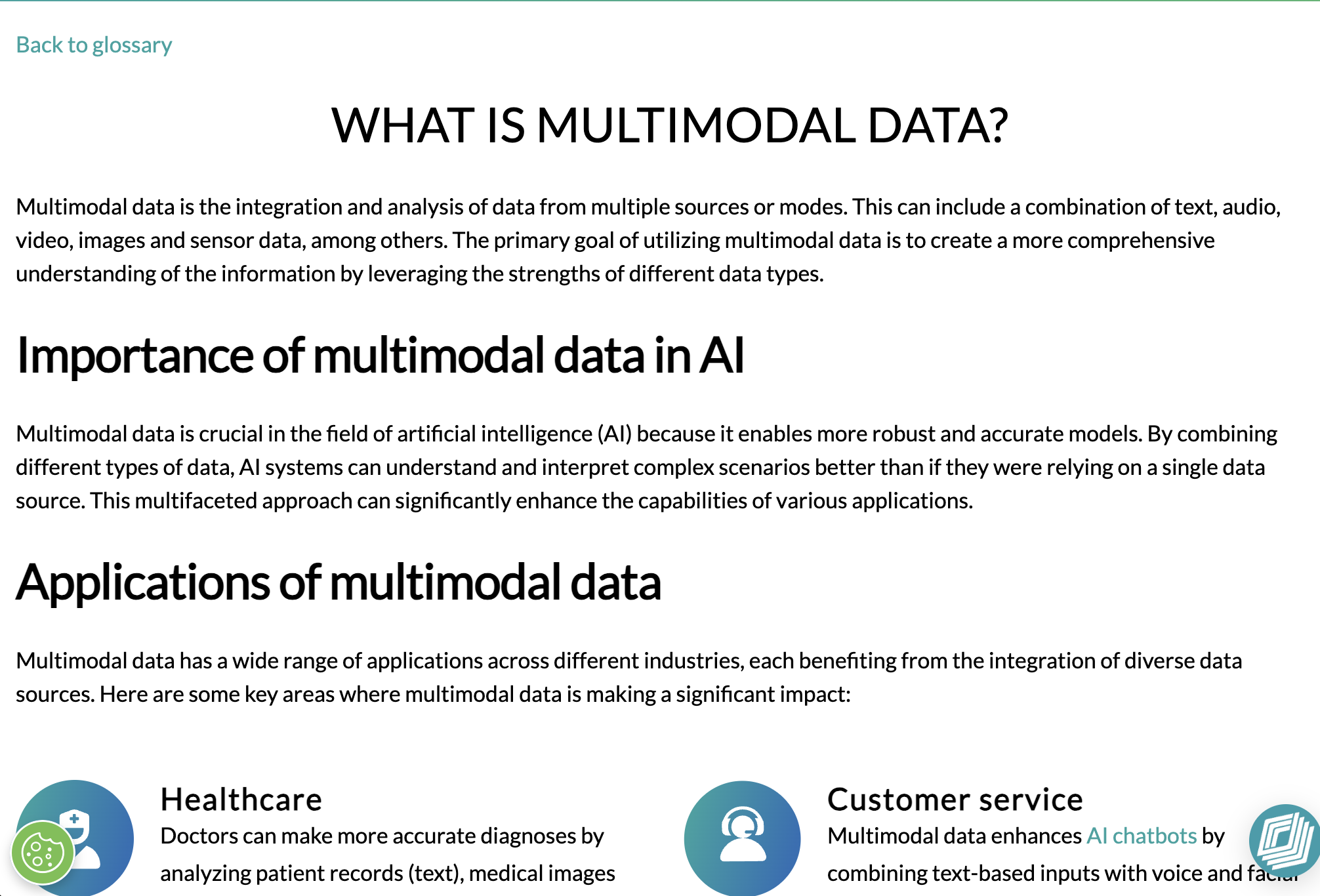
This was the year Generative AI emerged within the mainstream digital market, and many businesses invested heavily in trial and error of this technology.
What Did Work Look Like for an SEO Writer in 2024?
This was also the year when my two writing specialties collided: SEO content writing and copywriting. Not because I chose to completely incorporate them (and they’ve since become inseparable), but because clients coined the term “SEO copywriting” in their job posts and creative briefs.
SEO copywriting blends the organic search power of SEO with the conversion power of copywriting. In 2024, this was the most requested service in my writing business.
A majority of the SEO writing work in 2024 looked like this:
Writing for AI Overviews: Answerability was important for discoverability (which still remains true in 2026). Key sections and sentences were structured in a way that would make it easy for search engines to surface your content to the top of the page.
Writing for an Upgraded Search Experience: The search engine results pages (SERPs) drastically changed as well in 2024. It was the writer’s role to add elements to your core content that could be recycled into Google’s “People Also Ask” features and more.
Writing for Reader Intent: To get the conversions we wanted, my writing clients and I had to address the correct intent of search terms. Otherwise, we’d run the risk of high traffic, but low MQL-to-SQL conversions (marketing leads into sales leads).
Writing for “Next-Step” Conversions: This is where the SEO copywriting came into play. Instead of simply wanting an email list signup, my clients were okay if the reader took other CTAs (e.g., reading other content) that strengthened trust.
Less About Stiff Keywords, More About Natural Language: Prior to Generative AI, search terms were a bit awkward or clunky. After Generative AI, our searches became lengthy, conversational-like queries that were filled with details and nuances. While it was not as advanced as the AI queries of 2025 and now 2026, they were much more sophisticated than before.

As 2024 went on, I found SEO writing became easier. It was less about incorporating the exact keyword and more about hitting on the topics and search intent surrounding it.
2025: SEO Writing’s Toughest Year
When AI writing tools really hit the ground running, there was a huge wave of fear that spread over professional writers.
However, within months, we noticed that low-quality, low-paying writing clients were satisfied with the AI garbage content. High-paying, high-quality clients quickly saw the opportunities of AI-generated content but still continued to pay professional writers to oversee content creation.
So if you’ve been worried that AI will take your writing jobs, it won’t take the good quality ones.
What Did Work Look Like for an SEO Writer in 2025?
In 2025, professional writers had to make a decision about their career alongside AI content tools.
Some chose to turn their nose up in disgust at AI content tools. They vowed to never use them. They committed to creating 100% human-written content.
Others chose to leave professional writing entirely. Basically throwing their hands up saying, “I’m done.” And they left the field.
Low-quality writers thought AI content was “good enough.” They started churning out 10 full content pieces per day, albeit 10 mediocre content pieces…
And then, a very small percent leaned into this technology. They didn’t let AI replace their work, but rather, used AI to augment their work. A cautious curiosity to make their writing even better.
At first, I turned my nose up to it. Then it was my mom who suggested that I learn about AI capabilities so I could become one of the most knowledgeable writers in the industry.
It was a great decision because my 2025 writing work became more sophisticated than ever from a writing standpoint and conversion standpoint.
A majority of the SEO writing work in 2025 looked like this:
Learning to Live with Zero-Click Search: Zero-click search is a result of AI tools built within search engines – and/or, people getting all their answers within AI search tools. As a result, many online businesses saw huge drops in traditional search traffic.
Writing for AI Search Mentions: In the wake of Zero-click search, the focus shifted away from traditional search engines and towards citations in AI search tools. Luckily, there are many parallels between SEO writing and AI search writing, so skilled SEO writers can easily expand their skills into AI Search.
Answerability, Everywhere: Simplified, answer-first language became a huge part of the on-page SEO (and AI Search) writing. Everything needed to be clear, straightforward and fluff-free for AI search tools to understand the content.
Little to No Emphasis on SEO Keywords: SEO keywords became nice-to-haves, not need-to-haves. While I still had to hit on search intent and topic, it was as if keyword placement hardly mattered.

Almost immediately in 2025, I began taking whatever courses I could about AI Search. I eventually earned an AI Search and Tracking Analytics Certificate. While it was helpful, it covered the technical side of things.
Some of my larger clients had the ability to really test the different AI Search strategies we were trying in our 2025 content. Seeing the successes and failures helped me better understand how my on-page content was impacting rankings and AI citations.
2026 and Beyond: SEO Writing Career Outlook
Amid the SEO panic of 2025, what most SEO experts have come to realize in 2026 is that SEO and AI Search optimization have many of the same characteristics. And if you already have a thorough understanding of SEO, you can quickly get up to speed in AI Search.
AI Search definitely brings additional new elements to learn, but when we keep the core focus on helping humans, it all melts nicely together.
And remember this: AI search tools don’t have all the answers, especially if they have delayed updates. So, where will AI search tools get answers that they don’t have? They go to the search engines.
So, all websites still need a robust SEO strategy if they want a successful AI Search strategy.
What Does Work Look Like for an SEO Writer in 2026-2027?
SEO writers (and those wanting to get into it) must understand how to remain relevant in the wake of AI Search.
SEO is not “dead,” however, it has changed and expanded. This expansion has created a plethora of new work for writers, especially those who are willing to learn new skills.
A majority of the SEO writing work in 2026-2027 will look like this:
Develop a Robust SEO Writing Skillset, Expand Upon It for AI Search: To help your clients succeed in AI Search, you must have extensive knowledge about SEO writing. Again, AI Search is just an extension of many SEO writing principles. So once you understand SEO writing, learning the additional skills for AI Search is logical and predictable.
Less About SEO Keywords, More about Sophistication: My 2026 clients can give me SEO keywords, but how I use them is completely different than in years prior. Now, content has the potential to weave subtle marketing and conversion strategies within every sentence. It also has the ability to incorporate dynamic themes and branding that create rich content. And with the emergence of AI content tools, my ability to test, redo and compare the best content angles has flourished.
Build Your Client’s Ecosystem of Content (which Means 100s of New Articles): Since traditional SEO keywords don’t make much of a difference, that means writers have to create infinite layers of content to build a brand ecosystem. Each new piece of content builds more context for AI search tools. Each new piece of content adds one extra layer of brand sophistication.
But here’s a caveat: This is what SEO writing work will look like for writers who are curious and open to new technologies. Writers who refuse to incorporate AI content tools into their work will become irrelevant, simply because they are not following the natural progression of the SEO industry.
How Much SEO Writing Work Are Writers Getting in 2026?
As promised, I’ll share some stats about how much SEO writing has been taking over my workload in 2026. As you’ll see, SEO writing (the modernized SEO/AIO form) makes up a huge percentage of my day to day work.

Percentage of my 2026 writing work that is tied to SEO/AIO skills.
Average Percentage of SEO/AIO Work: 75%
This means that 75% of my work as a SEO/AIO content writer and copywriter requires SEO/AIO work (even my copywriting projects too).
2026-2027 Career Outlook for SEO Writers
As we discussed, the 2026-2027 career outlook for SEO writers is strong – as long as you maintain ongoing education about the SEO and AI Search space.
Writers who decide to remain stuck in traditional writing methods and projects will see a sharp decrease in work.
Writers who choose to learn more about AI Search and the available AI tools will expand their capabilities and remain relevant to clients.
